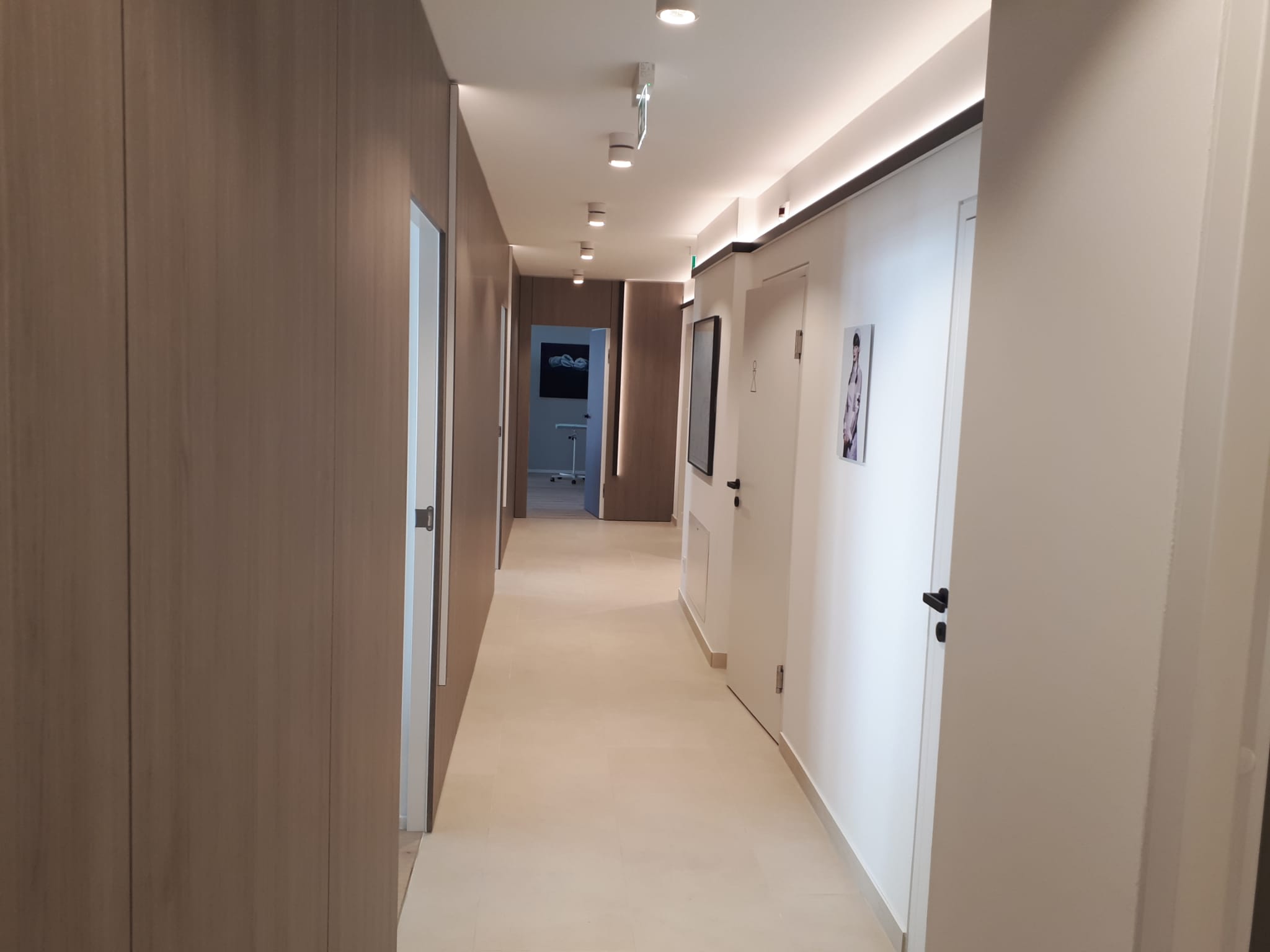
Kicking off the CUUBUUS homestory series today is University Professor Dr. Hugo Kitzinger , who has set up his practice in one of our projects: Based at BLISS XIX on Billrothstraße, at the corner of Obkirchergasse, since April 2022, the specialist in plastic, Aesthetic and Reconstructive Surgery, specializing in hand surgery, explains how he came to set up his practice here, what has particularly shaped his collaboration with CUUBUUS, what specific requirements there are for setting up treatment rooms, and whether, looking back, he would change anything…
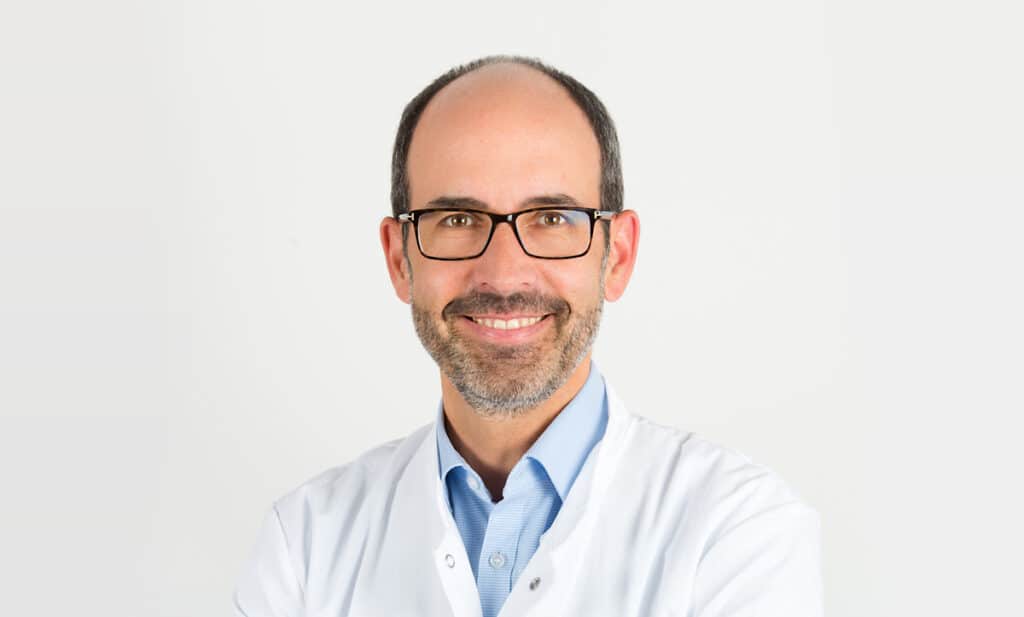
Last year, you moved your practice into the space on Obkirchergasse. What led you to set up your practice specifically at BLISS?
I had outgrown my old practice in the 8th district—there were no possibilities for expansion. And since I not only perform surgeries for some of my patients at the Rudolfinerhaus in Vienna but also live in the 19th district, it made perfect sense for me to locate my practice here as well. A real estate agent friend of mine brought the BLISS project to my attention, and since the “chemistry” between the CUUBUUS team and me clicked right away, the decision was made pretty quickly.
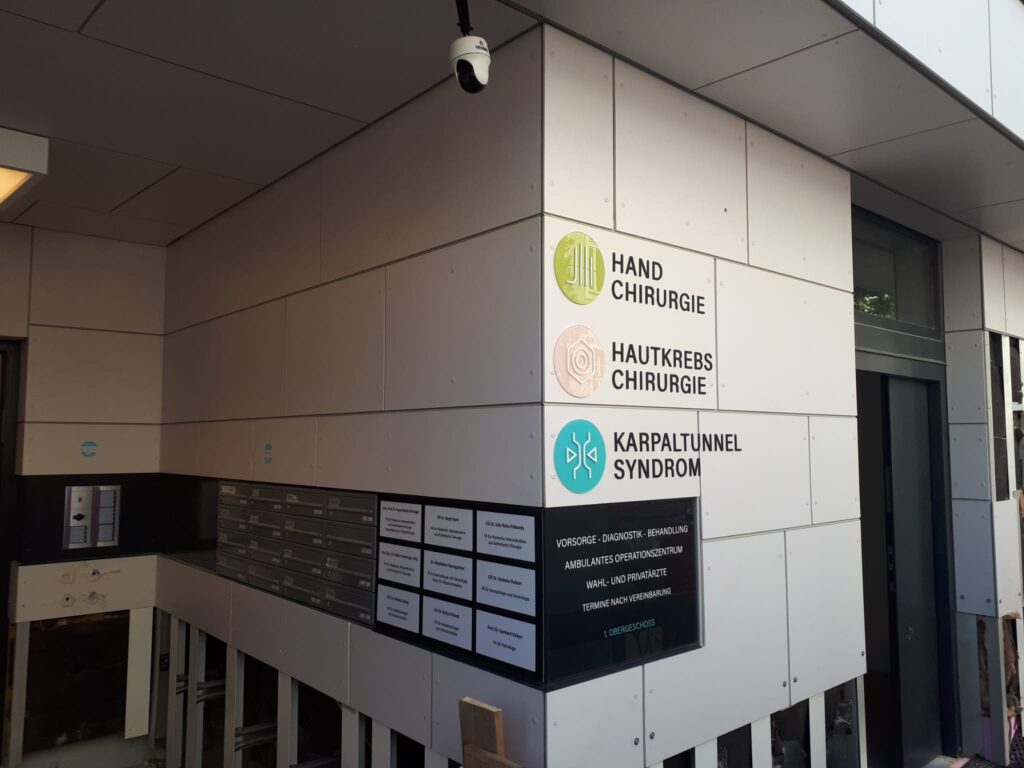
As a professor of hand surgery, you naturally also perform surgical procedures. What kind of feedback do you get from patients about the fact that your practice is located not in a traditional sterile clinic, but in a modern residential building? Or to put it another way: Can an inviting (home-like) atmosphere help alleviate any fears about surgery? 😉
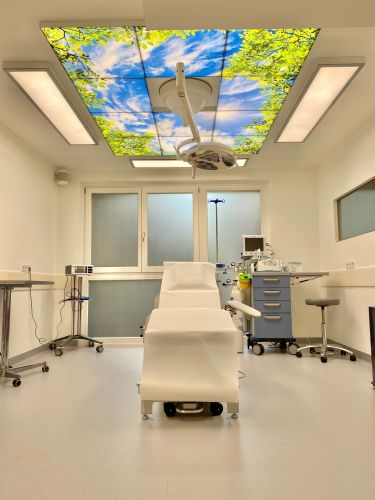
For years now—and not just since the COVID-19 pandemic—we’ve seen a trend where patients want to avoid hospital treatment whenever possible. The sterile environment, the size, and the impersonal nature of a hospital make people anxious. That’s why I deliberately designed my center so that the atmosphere and furnishings resemble a lounge or a hotel rather than a hospital. People sense this difference the moment they step into the office. The comfortable atmosphere plays a significant role in alleviating nervousness and anxiety. The positive feedback from our patients has been truly overwhelming.
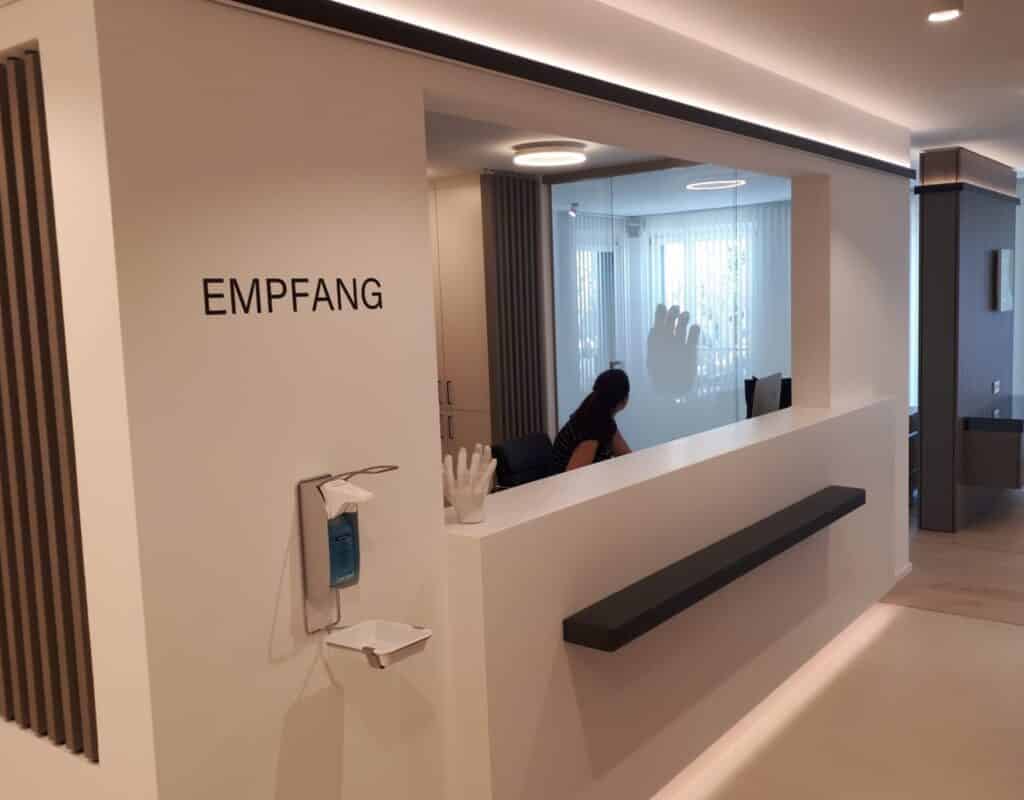
What requirements are involved in setting up a medical practice? Are treatment rooms easy to set up, or does this require specialists with expert knowledge? (To what extent) did CUUBUUS provide support in this area?
The requirements for building a new medical practice are fairly modest. However, things are completely different if the practice is also to include a surgical wing—and my center has two operating rooms. The hygiene requirements for the building, the furnishings, and the HVAC systems are then quite substantial. In implementing these requirements, the CUUBUUS team worked closely with the City of Vienna’s Hygiene Center (MA 15), the Austrian Society for Quality Assurance and Quality Management, and a specialist in hygiene and microbiology serving as a consultant. This was ideal for me, as I didn’t have to worry about the technical details and simply had to approve the proposed solutions developed by CUUBUUS.
Did you also get personally involved in the planning process, or did you give the architect as much freedom as possible when it came to designing the floor plan?
Such a complex design project can only be realized through close collaboration between the client and the architects. The first step was to precisely define my needs and describe my work processes and workflow in detail. Armed with this information, the architects at CUUBUUS then developed the floor plan. And it was truly a masterpiece: even the very first draft was ideal for me. And I can still confirm that today, after nearly a year of routine operation. Even now, I wouldn’t want to change a single thing about the floor plan.
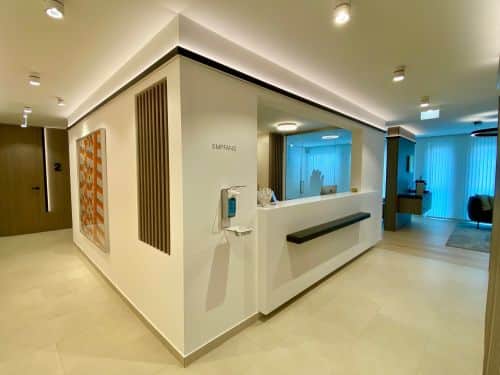
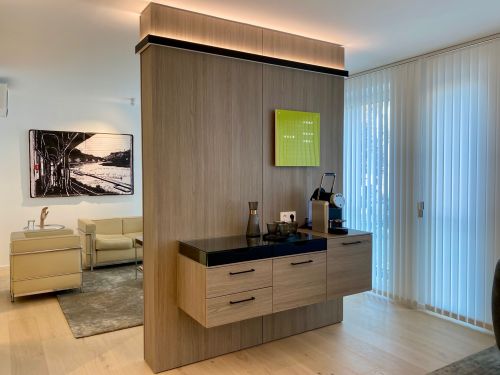
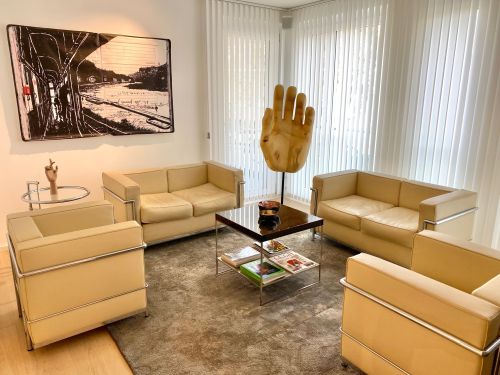
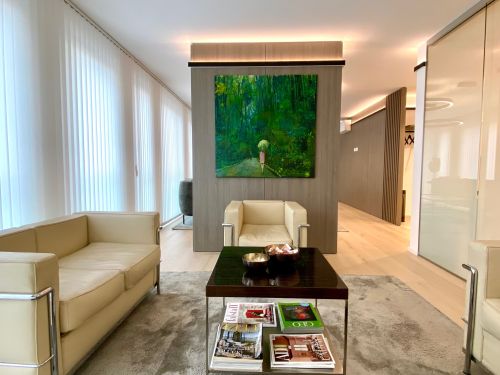
Aside from technical considerations, personal taste, and budget, there are certainly many factors to consider when planning your practice. What was particularly important to you when designing your practice?
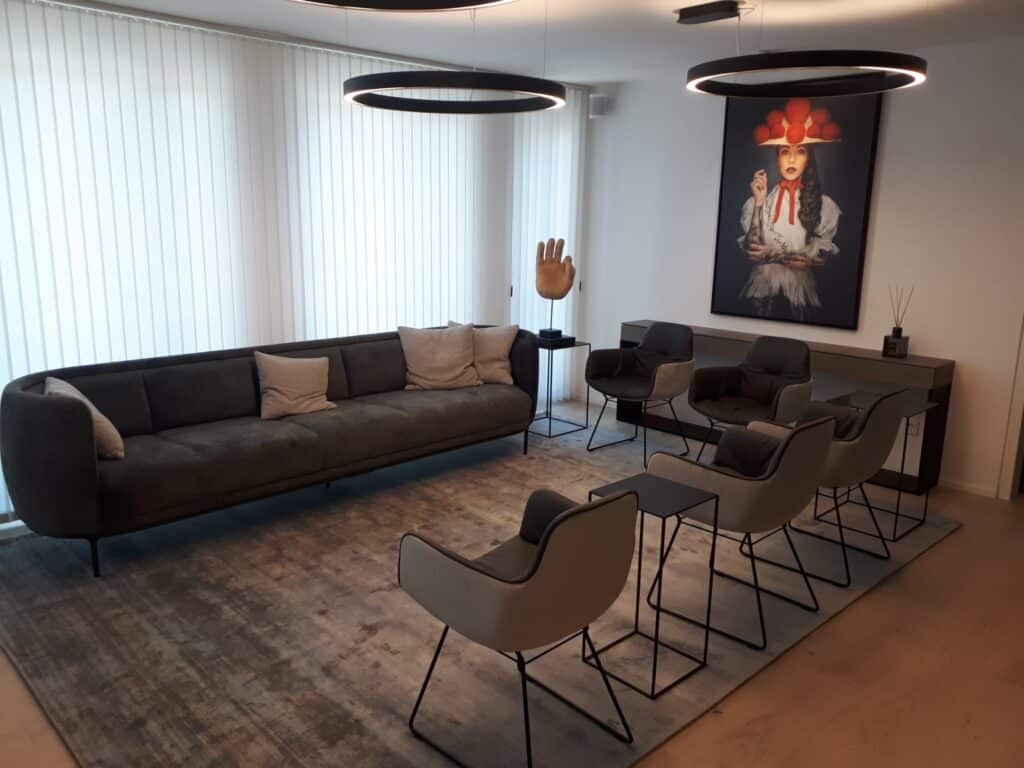
For me, it was important to create a bright, friendly atmosphere—and deliberately avoid a sterile, austere, and purely functional environment. People don’t go to the doctor without a reason; they’re often accompanied by worry or even fear. I think a calm and friendly, almost home-like atmosphere can help ease some of that nervousness. The office also reflects a lot about me personally: not only through my choice of furnishings, but also, for example, through the art on display.
Were there any challenges along the way, or did everything go according to plan? Looking back, is there anything you would do differently?
The biggest challenge was certainly that the construction phase took place in the midst of the COVID-19 pandemic. This led to repeated delivery delays—and consequently construction delays as well—which really tested everyone’s patience. Still, I don’t feel that the quality suffered as a result. And no—fortunately, looking back, I can say that I wouldn’t do anything differently.
What has been the feedback from your patients regarding the new location?
I can only put it this way: overwhelmingly positive. I’d say about half of our patients mention the new office to us and congratulate us. It especially makes me smile that there are always patients who deliberately arrive early for their appointments so they can relax in the waiting rooms and enjoy the atmosphere, a cup of coffee with lounge music, and a good book.
And your closing remarks as an expert: For all those who are also considering planning or redesigning their practice. What should one keep in mind, and what, in your personal opinion, makes for the perfect practice—the “dream” office?
I now have the practice of my dreams, and I look forward to working here every single day. In my view, it’s crucial to define very precisely what the space requirements, the layout, and the workflows in a practice are. Ultimately, only the doctor themselves can know that. The more precise you are, the greater the chance that you’ll be happy with the result in the end. The next step is to have a team that understands my medical needs and can translate them into the requirements for planning, construction, and so on. I think that’s a critical point, and it worked out great with CUUBUUS.
We would like to express our sincere thanks for the interview and the fascinating insights!