In our “CUUBUUS living “ series, we offer you valuable tips on design and styling, showcase home decor trends, and share the latest news from the interior design industry. This time, we’re speaking with our long-standing partner Cordier Interior Design.
Interior designer Marco Cordier on interior design, creating a cozy atmosphere at home, and why style is—or isn’t—a matter of taste.
You’ve been working as an interior designer since 2011. Can you tell us a little about your company? What exactly does Cordier Interior Design do?
Cordier Interior Design is known for its exceptional, comfortable, and personalized living space designs. Our designs encompass not only large-scale renovation and restoration projects but also the smallest private spaces.
Our services range from interior design and space planning to custom furniture design and manufacturing. We divide these into three categories:
- Concept
- Draft
- Processing.
Our focus is not on selling furniture; our strength lies in interior design services, which sometimes begin as early as the construction or renovation phase. It is important to us to remain independent of all furniture brands; only then can we develop a concept tailored to each client.
This corporate structure sets us apart from our competitors and allows us to work together with and for our clients to develop more than just straightforward planning projects.
Home decor and interior design are, after all, very personal matters… Do customers’ preferences and tastes tend to be similar? Are there trends that everyone suddenly wants to follow, or is every project truly unique?
Just as in the fashion industry, for example, there are always new trends in interior design, which are now spread worldwide primarily through social media and other platforms.
Of course, we, too, have seen during the occasional initial consultation that people present exactly these kinds of trendy mood boards 😉. Ultimately, though, every project is unique. It’s our job to ensure that every client receives their very own personalized interior design concept, tailored precisely to their wishes and needs. After all, our clients should feel at home in their new space and not worry that they’ve been fobbed off with just any run-of-the-mill design copy that’s clearly dated.
How does the collaboration with your clients work? Should we ideally come to you with very specific requests, or can we also “brainstorm” together with you?
We’re happy to support our clients right from the start of this “brainstorming phase.” During the initial consultation, we try to get our prospective clients to share their preferences and general ideas.
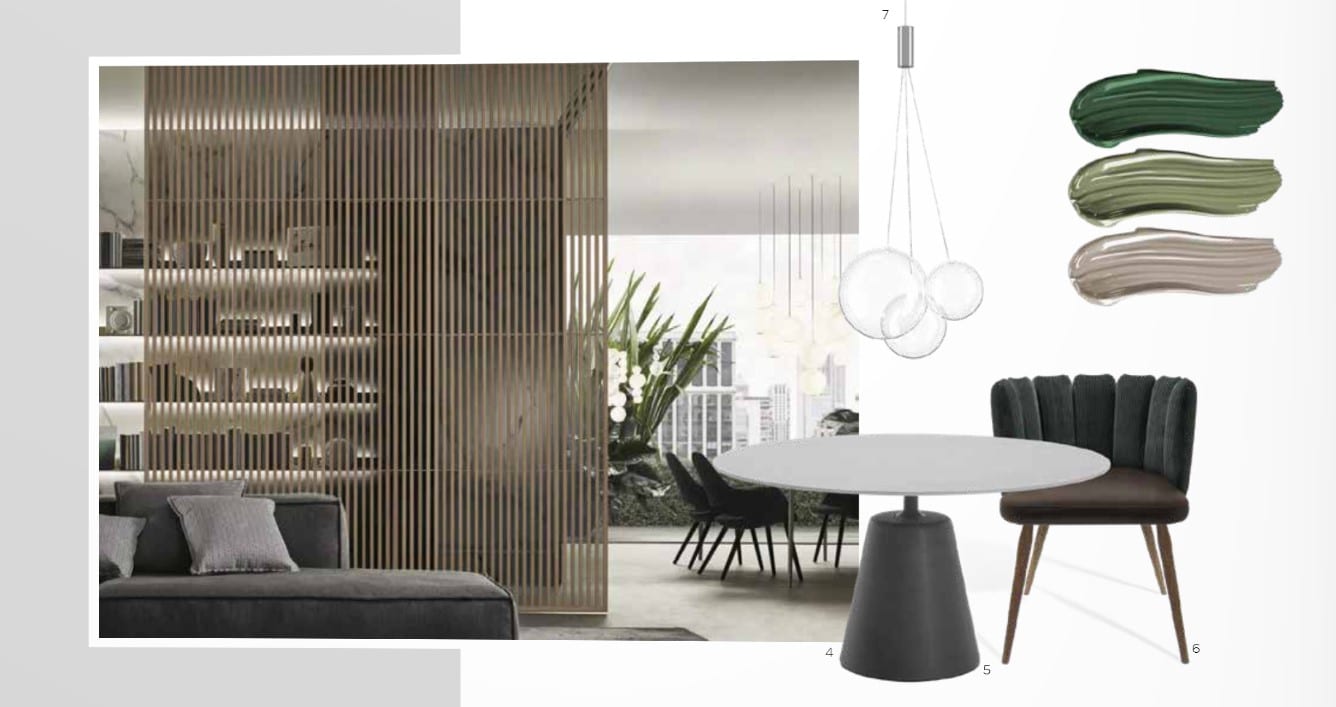
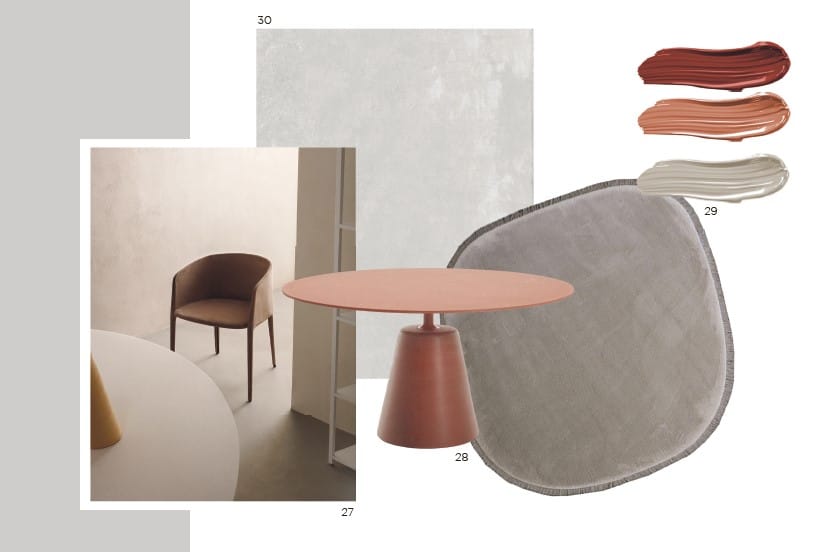
At the beginning, we primarily work with mood boards and sketches, as this is often the best and fastest way to convey a new spatial effect to our clients.
From the initial contact to the finished bedroom—how much time should you plan for? Are there sometimes long wait times for cabinets and other items?
Not every project should be viewed in the same way. Many factors, such as design approvals or delivery times, influence the duration of a project. However, a timeframe of 8–12 weeks is certainly realistic. In particular, the delivery time for custom woodwork and retail items—such as beds, dressers, or chairs—averages 10 weeks. Fortunately, these delivery times have stabilized again over the past six months. During the pandemic, it was often very difficult to estimate specific timeframes. Back then, delivery times for wood-based materials for furniture or textiles often ranged from 15 to 20 weeks, with no guarantee that the goods would actually arrive within that timeframe.
Aside from technical adjustments, personal taste, and budget, there are certainly many factors to consider when it comes to designing your home. What are some insider tips for quickly making your current home more comfortable or giving it a fresh new look without major renovations?
It is important to have a foundation that fits with the existing architecture.
Home textiles and lighting are my top picks. Whether it’s curtains, throw pillows, floor lamps, or rugs, they make rooms cozier and more inviting. When choosing large upholstered furniture like sofas, beds, or chaise longues, it’s best to stick to calm, neutral colors, whereas decorative pillows and rugs can feature a bold pattern or a vibrant color. With just a few simple touches, you can often give a room a completely new look without major renovations or a big budget.
Decor is also an important way to make living spaces feel personal and cozy. Photo collages of loved ones, vases, or striking works of art can quickly and easily give a room a whole new character.
New artwork and decorative elements, coordinated with the new colorful throw pillows and bedspreads, round out the fresh new overall design.
It’s often not easy to be bold with color or even a little pattern—you might feel unsure or think you lack a “knack” for design… We’re always happy to help with this.
Which project in your career so far has been the most fulfilling for you?
There are always projects that leave a lasting positive impression, especially those where—whether on a personal level or in terms of timing, right from the construction phase onward—the collaboration was, all in all, very harmonious and creative.
Still, I believe that the very first project you’ve ever completed yourself has a profound personal impact on you. Even if that project didn’t go entirely smoothly, seeing your design come to life for the first time and feeling the client’s satisfaction is simply priceless. Those are the moments that remind you—or make you realize—why you love doing this job.
And what is every interior designer’s worst nightmare?
Trends in the media are created through glossy photos combined with perfectly curated settings. Unfortunately, this doesn’t always reflect the reality of how people actually live or what their own homes—that is, their real-life surroundings—are really like. Customers see the photos and naturally want the same thing—so providing the right advice here is very important.
When I see beautiful, high-quality brand-name furniture in a room that doesn’t fit in with the surroundings, it’s every interior designer’s nightmare.
In your opinion, how has home living or interior design changed in recent years, and how will we live in the future?
The pandemic has certainly highlighted the importance and value of a beautiful, cozy home. People were practically confined to their apartments or houses. So it’s only natural that, after a while, they began to long for a “change of scenery.” This is exactly where we were able to contribute in some way during this difficult time by creating something beautiful. The rise in working from home has only further intensified this desire for comfort and, in some cases, for redesigning one’s own home.
Quality standards have also risen; people are consciously investing more money in their own homes than they might otherwise spend on vacations and cultural events.
Attitudes toward materials have also changed. As in other areas of life, interior design is now placing an increasing emphasis on sustainability. The currently popular color palette also reflects this trend, shifting more and more toward natural tones such as terracotta, sage green, ochre shades, and earth tones.
At the same time, real nature is increasingly finding its way into living spaces. Real plants are a must-have, especially in urban areas, where having your own balcony or garden is sometimes a luxury.
These aspects will definitely remain part of interior design for the foreseeable future. And last but not least: the trend toward working from home makes multifunctional furniture a true must-have.
And your final thoughts as an expert: the perfect home furnishings, the ideal home interior—what does that look like to you personally?
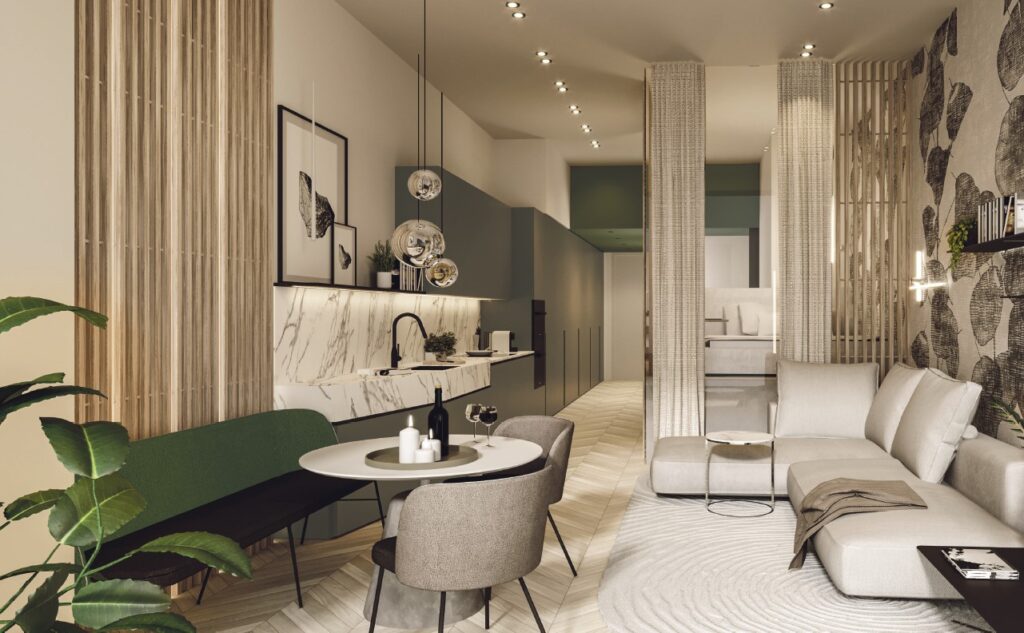
Ideally, interior design begins as early as the submission plan stage. Architecture, lighting design, and interior design should blend together and be in harmony. In summary: Custom-built furniture, combined with the right lighting, adapted to the existing architecture, and complemented by off-the-shelf items, furniture, and decorative elements, creates a mix that results in a cozy and personal home.
Thank you very much for the fascinating insights!